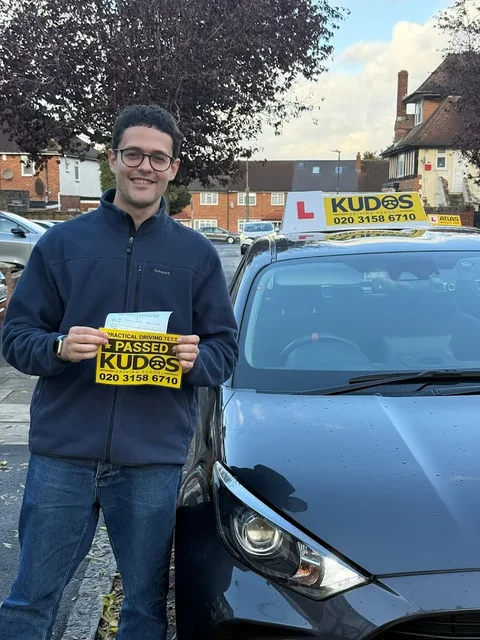
Learning to Drive in Balham
Parking is another practical consideration, with on-street parking common throughout residential areas and more restricted options near the high street. Learners benefit from practising parallel parking and bay parking in genuinely tight, realistic spaces rather than idealised conditions, since this better reflects what they'll encounter once driving independently.
As confidence builds, lessons typically extend to busier connecting roads and, where appropriate, slightly further afield to introduce a wider variety of driving scenarios. This progression helps ensure learners aren't only comfortable in familiar surroundings but can transfer their skills to less predictable situations, which is ultimately what independent driving requires.
Each lesson typically begins with a short discussion covering what was practised previously and what the current session will focus on. This helps learners understand the purpose of each lesson rather than simply following instructions, and it allows the instructor to adjust the plan if a particular skill needs more attention than originally expected.
Core skills such as clutch control, gear changes, steering and mirror use are introduced early and reinforced throughout subsequent lessons. Rather than treating these as one-off topics, instructors revisit them regularly to make sure they become instinctive, since hesitation with basic controls is one of the most common reasons learners struggle later with more complex manoeuvres.
Hazard awareness is built into lessons from an early stage, even before a learner is doing complex manoeuvres. This includes recognising potential risks from pedestrians, parked cars, cyclists and other vehicles, and learning to respond in good time rather than reactively. This skill develops gradually and benefits significantly from varied road exposure.
What to Expect From Your Driving Lessons
Manoeuvres such as reverse parking, bay parking and pulling up safely are practised in stages, usually starting in quieter areas before being attempted in busier or more restricted spaces. Instructors typically break these down into smaller steps initially, then combine them once each individual element is understood.
Towards the later stages of learning, lessons increasingly focus on independent driving, where the learner navigates using directions, road signs or a satnav with minimal instructor input. This mirrors what's assessed during the practical test and helps learners get used to making their own decisions without constant guidance.
Both manual and automatic driving lessons are available, and the right choice depends on individual circumstances rather than one option being universally better. Manual lessons cover clutch control and gear changes in addition to the core driving skills, while automatic lessons remove this element, allowing some learners to focus more quickly on road positioning, hazard awareness and manoeuvres.
Manual licences allow a driver to legally drive both manual and automatic vehicles, which is why many learners choose this route even if they expect to drive an automatic car later on. Automatic licences, by contrast, restrict the driver to automatic vehicles only. This distinction is often a deciding factor for learners who want maximum flexibility going forward.
Some learners find automatic lessons easier in the early stages because there's one less skill to coordinate, which can be particularly helpful for those who feel anxious about multitasking behind the wheel. Others prefer manual from the outset, either because they already have some experience or because they specifically want the licence flexibility that comes with it.
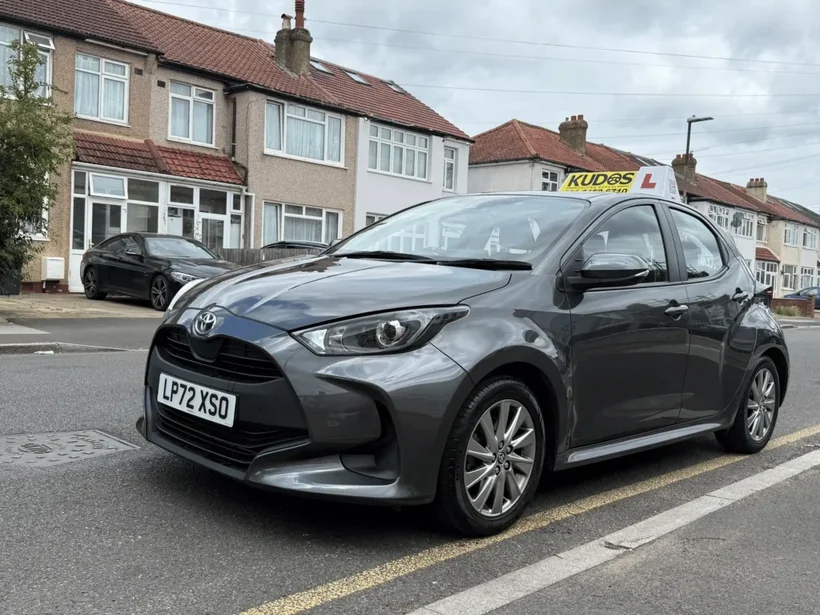

Manual and Automatic Lesson Options
There isn't a single correct choice between the two, and the decision often comes down to personal preference, future driving plans and how comfortable a learner feels with the added coordination that manual driving requires. Discussing this with an instructor before booking a course can help clarify which option best suits individual goals.
Test preparation typically becomes a more structured focus once a learner has developed solid core skills and can manage most driving situations with growing independence. Lessons at this stage shift towards refining specific manoeuvres, tightening up observation habits and building the kind of consistency examiners look for during a practical test.
Mock test sessions are a useful way to simulate real test conditions, including the independent driving section and the standard manoeuvres. These sessions help identify any remaining weak points under test-like pressure, which often differ from how a learner performs during a relaxed practice lesson. Addressing these gaps before the actual test reduces the likelihood of nerves affecting performance on the day.
Route familiarity plays a role in test preparation, since practising on roads similar to those used during local tests helps learners feel more prepared for the types of junctions, roundabouts and traffic conditions they're likely to encounter. This isn't about memorising a specific route, but about becoming comfortable with the general driving conditions in the area.
Common reasons learners don't pass on their first attempt often relate to observation at junctions, incorrect positioning on roundabouts, or hesitation during manoeuvres. Instructors typically address these areas specifically in the lessons leading up to a test, focusing repeated practice on whichever skills need the most reinforcement for that particular learner.
Driving Test Preparation in the Balham Area
Booking a test at the right time matters as much as the preparation itself. Learners are generally advised to book once they're consistently performing well across a range of driving situations, rather than fixing a date too early and adding unnecessary pressure to the final stretch of lessons.
The number of lessons required varies significantly from one learner to another, depending on factors such as prior experience, natural aptitude, lesson frequency and how quickly core skills are picked up. There's no fixed number that applies to everyone, and it's worth being cautious of any suggestion that a set figure guarantees test readiness.
Complete beginners generally need more lessons than those who already have some informal driving experience, simply because more time is needed to build fundamental control skills from scratch. Learners who've had lessons previously, even some time ago, often progress a little faster once those earlier foundations are refreshed.
Lesson frequency has a noticeable effect on progress. Learners who have lessons close together, such as once or twice a week, tend to retain skills more consistently than those with long gaps between sessions, since skills like clutch control and hazard awareness benefit from regular reinforcement rather than infrequent practice.
Some learners choose an intensive course, condensing lessons into a shorter timeframe, which can suit those who want to reach test readiness quickly or who find it easier to build momentum without long breaks. Others prefer a more gradual weekly pace, which can suit learners balancing lessons around work, study or other commitments.
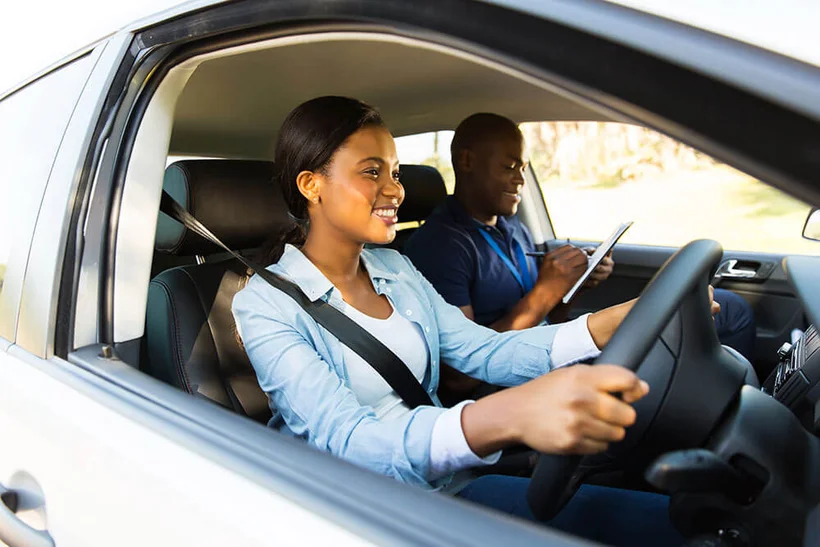
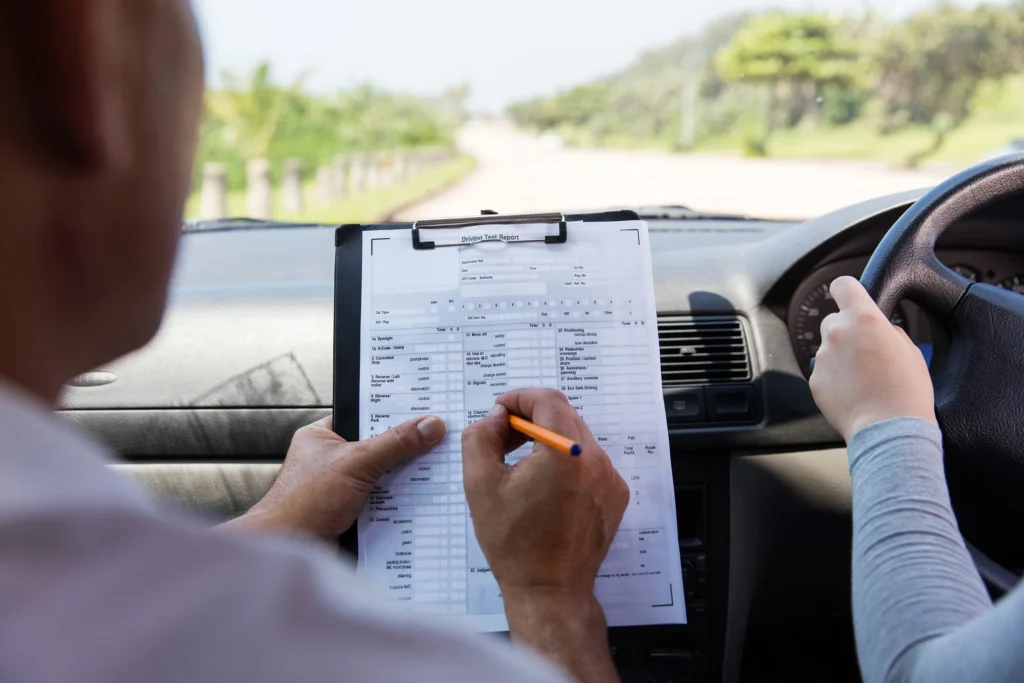
How Many Lessons You Might Need
Rather than fixating on a specific number of lessons, it's more useful to track genuine progress against key skills and confidence levels. An instructor can usually give a realistic sense of how a learner is progressing and roughly how much further tuition is likely to be needed before test readiness is reached.
Driving lesson costs are influenced by several factors rather than being set at a single flat rate. These typically include lesson duration, whether the tuition is manual or automatic, the specific instructor, and whether lessons are booked individually or as part of a package. Understanding these factors makes it easier to compare options and choose a structure that fits both budget and learning needs.
Longer lessons, such as two-hour sessions, are often more cost-effective per hour than shorter ones, since less time is spent on preparation and location changes between exercises. However, longer sessions require sustained concentration, which isn't always suitable for every learner, particularly in the earlier stages of learning.
Manual and automatic lessons can sometimes differ in cost due to variations in vehicle availability and running costs. This is worth checking directly, since pricing structures aren't always identical between the two transmission types and can vary depending on the instructor and vehicle used.
Package deals, where a set number of lessons are purchased together, are often priced more favourably than booking single lessons on an ad hoc basis. These can suit learners who already have a rough idea of how many lessons they're likely to need, though it's worth discussing individual progress with an instructor before committing to a large block.
Lesson Pricing and What Affects the Cost
Additional costs may also apply for extras such as intensive courses, refresher lessons for returning drivers, or specific test-day packages that include use of the instructor's vehicle for the practical test. It's worth clarifying exactly what's included before booking, so there are no unexpected costs later in the process.
Driving lessons in Mitcham give learners the chance to build practical skills on a mix of residential streets, busy local roads and junctions that reflect what they'll face on their practical test. Kudos Driving School structures lessons around this local driving environment, helping learners progress from basic vehicle control through to independent driving in a way that's suited to the area rather than a generic curriculum. Each lesson builds on the last, so skills like junction awareness, roundabout use and parking are introduced at a pace that matches the learner's confidence.
These lessons are relevant to a range of learners, including complete beginners who have never sat behind the wheel, as well as those who've had some experience elsewhere and want to continue locally. Nervous learners often benefit from lessons based around familiar streets, since practising close to home reduces the pressure of navigating an unfamiliar area on top of learning to drive. Learners preparing for an upcoming test, and those returning to lessons after a break, will also find value in training that's grounded in the specific road conditions they'll be tested on.
This page covers what learning to drive in Mitcham typically involves, from the type of roads and junctions learners will encounter to how lessons are usually structured and what progress tends to look like over time. It also looks at practical considerations such as choosing between manual and automatic transmission, how test preparation is approached locally, and what to expect from the booking process. The aim is to give a realistic, useful picture of what learning to drive in this area actually involves, rather than a generic overview that could apply anywhere.
Mitcham sits within a mixed urban and suburban setting, meaning learners typically encounter a combination of quieter residential roads, busier through-routes, and multi-lane junctions during their lessons. This variety is useful for building well-rounded driving skills, since it exposes learners to different traffic conditions without needing to travel far. The following sections go into more detail on what learners can expect, how lessons are typically approached, and what to consider when starting out.

.webp)