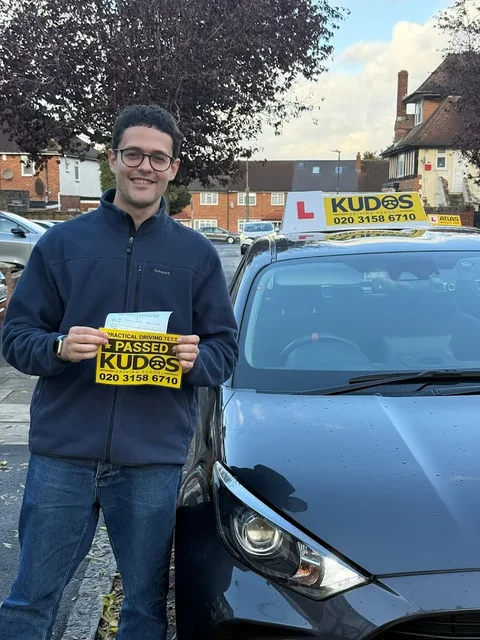
Learning to Drive on Carshalton's Roads
Roundabouts and multi-lane junctions are a regular feature of driving in and around Carshalton, and these are introduced once a learner has a solid grasp of the basics. Understanding lane discipline, correct signalling, and how to judge gaps in traffic takes practice, and instructors will usually return to the same types of junction several times so that the skill becomes consistent rather than a one-off success. This repetition is a normal part of learning rather than a sign of slow progress.
Parking is another area covered as part of general driving practice in the area, including bay parking, parallel parking, and reversing into a space, all of which reflect situations learners are likely to encounter in daily driving as well as in the practical test. Carshalton's residential streets, with cars parked on both sides in places, provide a realistic setting to practise these manoeuvres under normal traffic conditions rather than in an artificial environment.
As learners become more confident, lessons often move towards routes that combine several of these elements together, such as navigating from a residential road onto a busier route, through a roundabout, and into a parking manoeuvre. This reflects how driving actually works in practice, since real journeys rarely involve just one type of road or one type of challenge. Building this kind of route awareness helps learners feel more prepared for driving independently once they have passed their test.
Local knowledge also plays a part in how lessons are planned. Instructors familiar with Carshalton and the surrounding area can structure routes that introduce new challenges at an appropriate pace, rather than learners facing unfamiliar or overly difficult conditions too early. This local awareness is one of the practical benefits of taking lessons with an instructor who regularly teaches in the area, as it allows a more considered approach to route planning throughout the course.
Each driving lesson typically begins with a short discussion about what was covered previously and what the current lesson will focus on. This helps learners understand the purpose of each session rather than simply driving without a clear objective. Instructors will usually explain a new skill or manoeuvre before practising it, so that learners understand the reasoning behind a technique rather than just repeating it mechanically.
What to Expect From Your Driving Lessons
Early lessons tend to focus on the fundamentals: cockpit checks, moving off and stopping safely, steering control, and basic use of mirrors and signals. These form the foundation for everything that follows, so instructors generally take the time needed to make sure a learner is comfortable with these basics before introducing more complex driving situations. Rushing this stage can lead to gaps in confidence later on, so a measured pace early in the course is usually beneficial.
As lessons progress, the focus shifts towards more advanced skills such as junctions, roundabouts, overtaking, and dealing with different types of traffic. Hazard awareness becomes increasingly important at this stage, as learners need to start anticipating the actions of other road users rather than simply reacting to them. Instructors will often talk through hazards as they arise during a lesson, helping learners build the habit of scanning the road further ahead.
Feedback is a regular part of each lesson, both during the drive and in a short review afterwards. This allows learners to understand what went well and what needs further practice, rather than being left to guess. Many learners find it useful to note down specific points to focus on, particularly if a certain manoeuvre or road type is proving more challenging than others.
Towards the later stages of learning, lessons increasingly involve independent driving, where the learner follows directions from a sat-nav or a series of verbal instructions with less direct guidance from the instructor. This mirrors part of the practical driving test and helps build the decision-making skills needed to drive safely without constant prompting, which is ultimately the goal of the entire learning process.
Learners in Carshalton can choose between manual and automatic driving lessons, and the right option depends largely on personal circumstances rather than one being objectively better than the other. Manual lessons involve learning clutch control and gear changes in addition to the core skills of steering, observation, and road positioning. Automatic lessons remove the need for a clutch pedal and manual gear changes, which some learners find allows them to focus more on road awareness from an earlier stage.
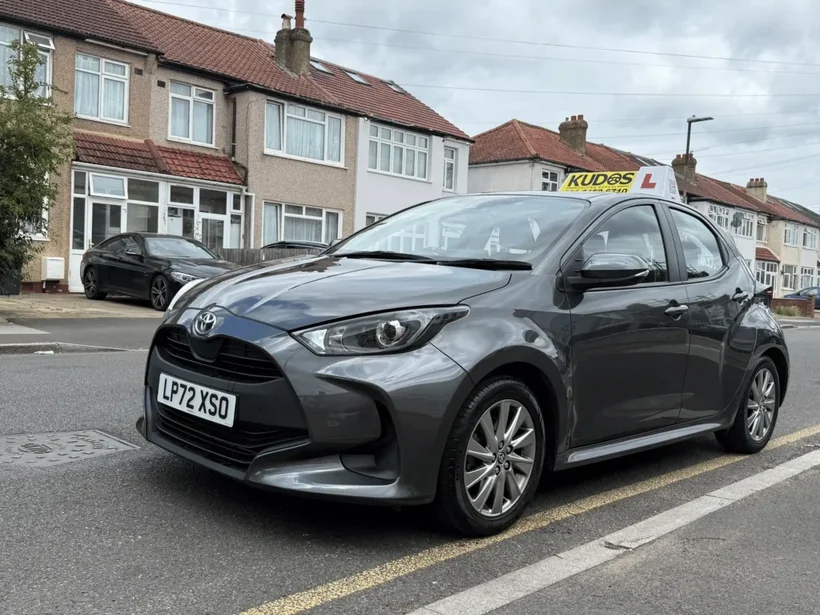
Manual and Automatic Lesson Options
A manual licence allows a driver to drive both manual and automatic vehicles once qualified, which is one reason some learners choose this route even if it takes slightly longer to master clutch control. Automatic lessons, by contrast, result in a licence that only permits driving automatic vehicles, so this is worth considering if there is a chance of needing to drive a manual car in the future, such as through work or a shared family vehicle.
Some learners find manual driving more physically demanding to begin with, as coordinating the clutch, accelerator, and gear lever requires practice before it becomes automatic. Others adapt to this quickly and prefer the additional control that manual gear changes offer, particularly in situations like hill starts or slower urban driving. Automatic vehicles simplify this process, which can suit learners who want to build confidence with steering and observation without an added layer of coordination.
Neither option is universally better, and the right choice depends on individual preference, future driving needs, and how quickly a learner wants to progress through the basics. Some learners who start with manual lessons but struggle with clutch control choose to switch to automatic partway through, while others persevere and find it becomes second nature with continued practice. Discussing both options with an instructor before committing to a course can help clarify which route suits a particular learner best.
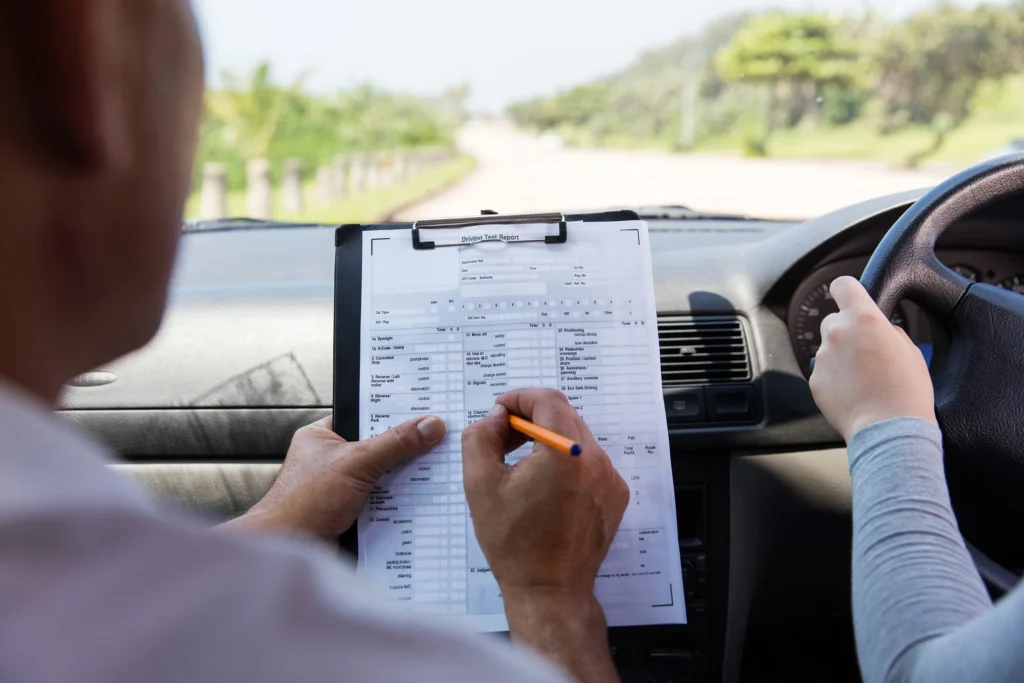
Preparing for the practical driving test involves more than simply completing a set number of lessons, since the test assesses a combination of vehicle control, road awareness, and the ability to drive safely and independently. Instructors typically introduce test-standard routes and manoeuvres progressively, ensuring a learner is not only able to perform a skill once but can do so consistently under normal driving conditions.
The practical test includes an independent driving section, where the candidate follows directions from a sat-nav or a series of road signs for part of the test. Practising this in and around Carshalton helps learners get used to making decisions with less direct guidance, which can feel different from earlier lessons where an instructor provides more frequent prompts. This section of the test often benefits from repeated practice on a variety of routes rather than memorising a single path.
Preparing for the Practical Driving Test in Carshalton
Manoeuvres such as parallel parking, bay parking, and pulling up on the right-hand side of the road before reversing are also assessed, and these are usually practised repeatedly in different locations so that learners are not relying on familiarity with a single spot. Being able to judge distances and use mirrors effectively during these manoeuvres takes time to develop, and instructors will often revisit them throughout the course rather than treating them as a one-off topic.
A mock test, or at least a test-style lesson, can be a useful way to identify any remaining weak points before booking the actual practical test. This allows learners to experience the format and pressure of a test environment in a lower-stakes setting, and instructors can use the results to focus final lessons on specific areas that need improvement. This kind of targeted preparation tends to be more effective than continuing general practice without a clear focus.
Realistic expectations are also an important part of test preparation. Nerves are common, and even well-prepared learners can make mistakes under test conditions, so instructors generally encourage a calm, methodical approach rather than aiming for a flawless drive. Understanding that a test pass depends on driving safely and making sound decisions, rather than driving perfectly, can help reduce unnecessary pressure in the lead-up to test day.
The cost of driving lessons is generally influenced by several factors, including lesson duration, whether lessons are manual or automatic, and whether a learner opts for standard weekly lessons or a more concentrated intensive course. Longer lessons, such as two-hour sessions, are often more time-efficient than shorter ones, since less time is spent repeating warm-up material at the start of each session.
Standard lesson packages typically involve regular sessions spread over several weeks or months, which suits learners who want to balance lessons with work, study, or other commitments. This approach allows time between lessons for skills to settle, and it gives learners the flexibility to progress at a pace that fits their schedule rather than committing to a fixed timeline.

Lesson Packages and Intensive Courses
Intensive courses, by contrast, condense a larger number of lessons into a shorter period, often over consecutive days or a single week. This can suit learners with a specific deadline, such as an upcoming test date, or those who prefer to build skills quickly through frequent repetition. Intensive courses are generally more demanding, both physically and mentally, so they tend to suit learners who already have some experience or who are confident they can absorb information quickly.
Additional training needs can also affect the overall cost and structure of a lesson package. Some learners require extra sessions to build confidence with specific manoeuvres, motorway driving once qualified, or general refresher training after a break from driving. Being upfront about any areas of concern early on allows an instructor to plan a package that addresses these needs rather than following a generic course structure that may not suit every learner.
Choosing between a standard package and an intensive course is a personal decision that depends on available time, budget, learning style, and how quickly a test is needed. Discussing goals and constraints with an instructor before committing to a package can help ensure the chosen approach genuinely fits individual circumstances, rather than selecting an option based on assumptions about what should work best.
Selecting a driving instructor is one of the more important decisions a learner makes, since the working relationship between instructor and learner has a direct impact on progress and confidence. In the UK, driving instructors who charge for lessons must be registered with the DVSA as an Approved Driving Instructor, which involves passing a series of qualifying exams covering driving ability, instructional technique, and knowledge of road safety.
Teaching style varies between instructors, and what works well for one learner may not suit another. Some learners prefer a highly structured, methodical approach with clear step-by-step instructions, while others respond better to a more conversational style that allows for questions and discussion throughout the lesson. It can be worth having an initial conversation or lesson to gauge whether an instructor's approach feels like a good fit.
Choosing the Right Driving Instructor
Patience is particularly important for nervous learners or those who have had a difficult experience with driving lessons in the past. An instructor who can adjust their pace, explain things in different ways, and remain calm when mistakes happen tends to help learners build confidence more effectively than a rigid, one-size-fits-all approach. This is worth discussing directly with a prospective instructor if nervousness is a significant factor.
Local knowledge of the Carshalton area is also a practical consideration, since an instructor familiar with local roads, roundabouts, and common test routes can plan lessons more effectively around the specific challenges learners are likely to face. This local familiarity allows for more efficient use of lesson time, as less time is spent finding suitable practice routes and more time is spent on actual skill-building.
Ultimately, the right instructor is one who communicates clearly, adapts to individual learning styles, and provides consistent, constructive feedback throughout the course. Learners are encouraged to ask questions about an instructor's qualifications, teaching approach, and availability before committing to a full course of lessons, as this upfront clarity tends to lead to a smoother learning experience overall.
Kudos Driving School provides driving lessons in Clapham for learners at every stage, from complete beginners taking their first drive to more experienced students working towards their practical test. Lessons are structured around the learner's current ability, with an instructor adjusting the pace of teaching depending on confidence, prior experience and how quickly new skills are picked up. Whether the goal is passing the test as efficiently as possible or building genuine long-term driving confidence, lessons are planned to move steadily through the core skills required to drive safely and independently.
This kind of structured, area-specific tuition is relevant to a wide range of learners. Some are starting from scratch and need every manoeuvre explained clearly from the beginning. Others have some driving experience, perhaps from lessons taken elsewhere or years ago, and want a refresher before booking a test. Nervous learners often benefit from a calmer, more patient teaching style, while learners who have already failed a test once or twice may need focused work on specific weak areas rather than a full restart of their training.

.webp)